Stainless Steel 310 Stud Bolts
Zeron Fasteners is an established Indian manufacturer, stockist, and global exporter of high-integrity Stainless Steel 310 (UNS S31000) and 310S (UNS S31008) Stud Bolts. Specifically engineered for extreme thermal environments, our SS 310 fasteners feature an austenitic 25% Chromium and 20% Nickel alloy composition that forms a tenacious, non-spalling chromia protective oxide scale. This provides unmatched resistance to cyclic oxidation, thermal fatigue, and hot gas corrosion in operating conditions up to 1093°C (2000°F) continuously and 1150°C (2100°F) intermittently.
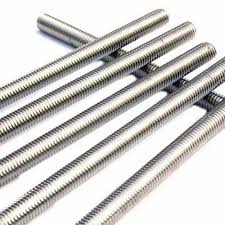
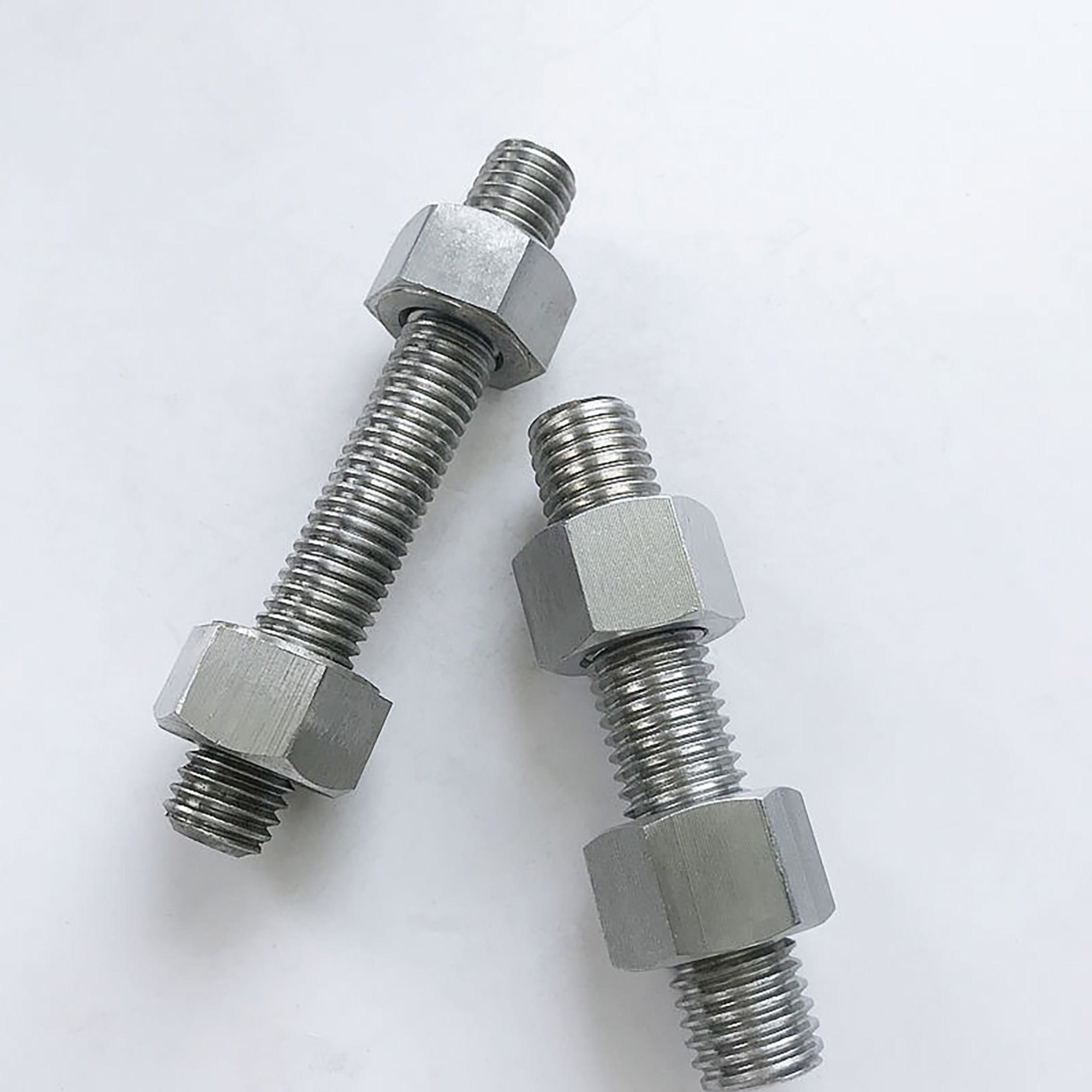
Manufactured to rigid international standards including ASTM A193, DIN 976 / DIN 975, and ASME B18.31.2, our SS 310 stud bolts are available in full continuous-threaded rods, double-end flange studs, and tap-end configurations. Each bolt is equipped with cold-rolled precision threads (Class 2A / 6g) that maintain uniform stress distribution, prevent galling, and provide superior clamping integrity when assembled with matching SS 310 Heavy Hex Nuts across ASME B16.5 and ASME B16.47 piping flanges.
 100% PMI Inspected
Technical Specifications & Engineering Matrix
Comprehensive dimensional, standard compliance, chemical, and metallurgical data for Stainless Steel 310 stud bolts.
| Engineering Parameter | Standard Specification & Conformance |
|---|---|
| Manufacturing Standards | ASTM A193 / ASME SA193 DIN 976 DIN 975 ISO 3506-1, BS 4882, ASME B18.31.2 |
| Diameter / Nominal Size | Metric: M6 to M100 | Imperial: 1/4" to 4" (Quarter-inch to 4 inches nominal diameter) |
| Length Options | Custom cut-to-length from 25 mm up to 4000 mm; Standard stocked continuous threaded rods in 1m, 2m, 3m, and 12-foot lengths |
| Thread Profile & Pitch | ASME B1.1 UNC Coarse, UNF Fine, 8-UN Series (Class 2A fit) | ISO 261 / DIN 13 Metric Coarse & Fine (6g tolerance) |
| Stud Configurations | Continuous Threaded Stud Bolts (All-Thread), Double-End Studs with Clamping Length, Tap-End Studs, Flange Studs with 2 Heavy Nuts |
| Surface Finishes & Coatings | Cleaned Plain, Bright Pickled & Passivated, PTFE (Xylan 1070 / 1424 Blue/Green), Hot-Dip Galvanized (HDG), Cadmium, Zinc-Nickel |
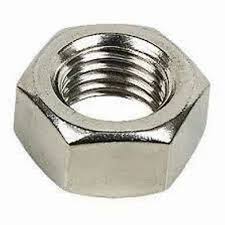
| Matching Heavy Hex Nuts | ASTM A194 Grade 8 (SS 310 modification) Heavy Hex Nuts per ASME B18.2.2 / DIN 934 |
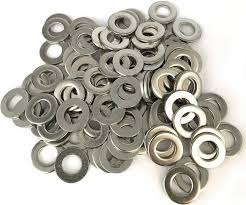
| Matching Washers | SS 310 Flat Plain Washers per ASME B18.21.1 / DIN 125, Spring Lock Washers per DIN 127 |
| Quality Certification | EN 10204 Type 3.1 Mill Test Certificate (MTC), NDT Examination Reports, Third Party Witness (TUV, DNV, Bureau Veritas) |
| Element (%) | Grade SS 310 (UNS S31000 / 1.4841) | Grade SS 310S (UNS S31008 / 1.4845) | Function & Metallurgical Benefit |
|---|---|---|---|
| Carbon (C) | 0.25 max | 0.08 max | Higher carbon in 310 enhances creep-rupture strength; lower carbon in 310S prevents intergranular carbide precipitation. |
| Chromium (Cr) | 24.00 – 26.00% | 24.00 – 26.00% | Forms a highly stable, adherent chromia oxide film resistant to cyclic scaling and hot gas corrosion. |
| Nickel (Ni) | 19.00 – 22.00% | 19.00 – 22.00% | Stabilizes the ductile austenitic matrix, prevents embrittlement, and enhances resistance to carburization. |
| Manganese (Mn) | 2.00 max | 2.00 max | Assists deoxidation during melting and improves hot workability and tensile strength. |
| Silicon (Si) | 1.50 max | 1.50 max | Significantly enhances high-temperature oxidation and carburization resistance in thermal atmospheres. |
| Phosphorus (P) | 0.045 max | 0.045 max | Controlled to ultra-low levels to safeguard against hot shortness and weld embrittlement. |
| Sulfur (S) | 0.030 max | 0.030 max | Maintained at minimal limits to ensure grain boundary integrity under severe thermal stress. |
| Iron (Fe) | Balance | Balance | Base structural matrix providing core ductile mechanical support. |
| Mechanical Property | Room Temperature (20°C / 68°F) | Elevated Performance (650°C - 1050°C) |
|---|---|---|
| Tensile Strength (min) | 515 MPa (75,000 psi / 75 ksi) | Maintains substantial load-bearing capability up to 900°C without catastrophic yield collapse. |
| Yield Strength (0.2% Offset, min) | 205 MPa (30,000 psi / 30 ksi) | Exhibits superior high-temperature yield stress compared to Grades 304, 316, and 321. |
| Elongation in 2" (50 mm, min) | 40% | Exceptional ductility permits reliable expansion without fracture during rapid thermal shock. |
| Brinell Hardness (HBW, max) | 217 HBW (95 HRB Rockwell B) | Provides optimum toughness and galling resistance for smooth torquing in heavy hex nuts. |
| Creep Rupture Strength (10,000 hrs) | N/A (Ambient) | At 650°C: ~45 MPa | At 800°C: ~15 MPa | At 1000°C: ~3.5 MPa |
| Maximum Operating Temperature | Continuous: 1093°C (2000°F) | Intermittent Thermal Cycling: 1150°C (2100°F) in oxidizing air atmospheres. |
| Nominal Thread Size | Pitch (Metric / TPI) | Tensile Stress Area (mm²) | Weight per Meter (kg/m) | Recommended Torque (N·m) |
|---|---|---|---|---|
| M10 (3/8") | 1.50 mm / 16 TPI | 58.0 mm² | 0.49 kg/m | 35 N·m |
| M12 (1/2") | 1.75 mm / 13 TPI | 84.3 mm² | 0.72 kg/m | 65 N·m |
| M16 (5/8") | 2.00 mm / 11 TPI | 157 mm² | 1.33 kg/m | 155 N·m |
| M20 (3/4") | 2.50 mm / 10 TPI | 245 mm² | 2.07 kg/m | 300 N·m |
| M24 (1") | 3.00 mm / 8 TPI | 353 mm² | 2.98 kg/m | 520 N·m |
| M27 (1-1/8") | 3.00 mm / 8 TPI | 459 mm² | 3.85 kg/m | 760 N·m |
| M30 (1-1/4") | 3.50 mm / 8 TPI | 561 mm² | 4.83 kg/m | 1,050 N·m |
| M36 (1-1/2") | 4.00 mm / 8 TPI | 817 mm² | 6.99 kg/m | 1,850 N·m |
| M42 to M100 (1-3/4" to 4") | Custom Pitch / 8-UN | Up to 6,280 mm² | Custom Cut | Engineered to Project Calculation |
| Standardization Body / Country | Grade Designation (Standard Carbon) | Grade Designation (Low Carbon / 310S) |
|---|---|---|
| USA (ASTM / AISI / UNS) | UNS S31000 AISI 310 | UNS S31008 AISI 310S |
| Germany / Europe (EN / DIN / W.Nr.) | W.Nr. 1.4841 X15CrNiSi25-20 | W.Nr. 1.4845 X8CrNi25-21 |
| United Kingdom (BS) | BS 310S24 | BS 310S31 |
| Japan (JIS) | SUS 310 | SUS 310S |
| France (AFNOR) | Z15CNS25-20 | Z12CN25-20 |
| Sweden (SS) | SS 2361 | SS 2361 (Low C) |
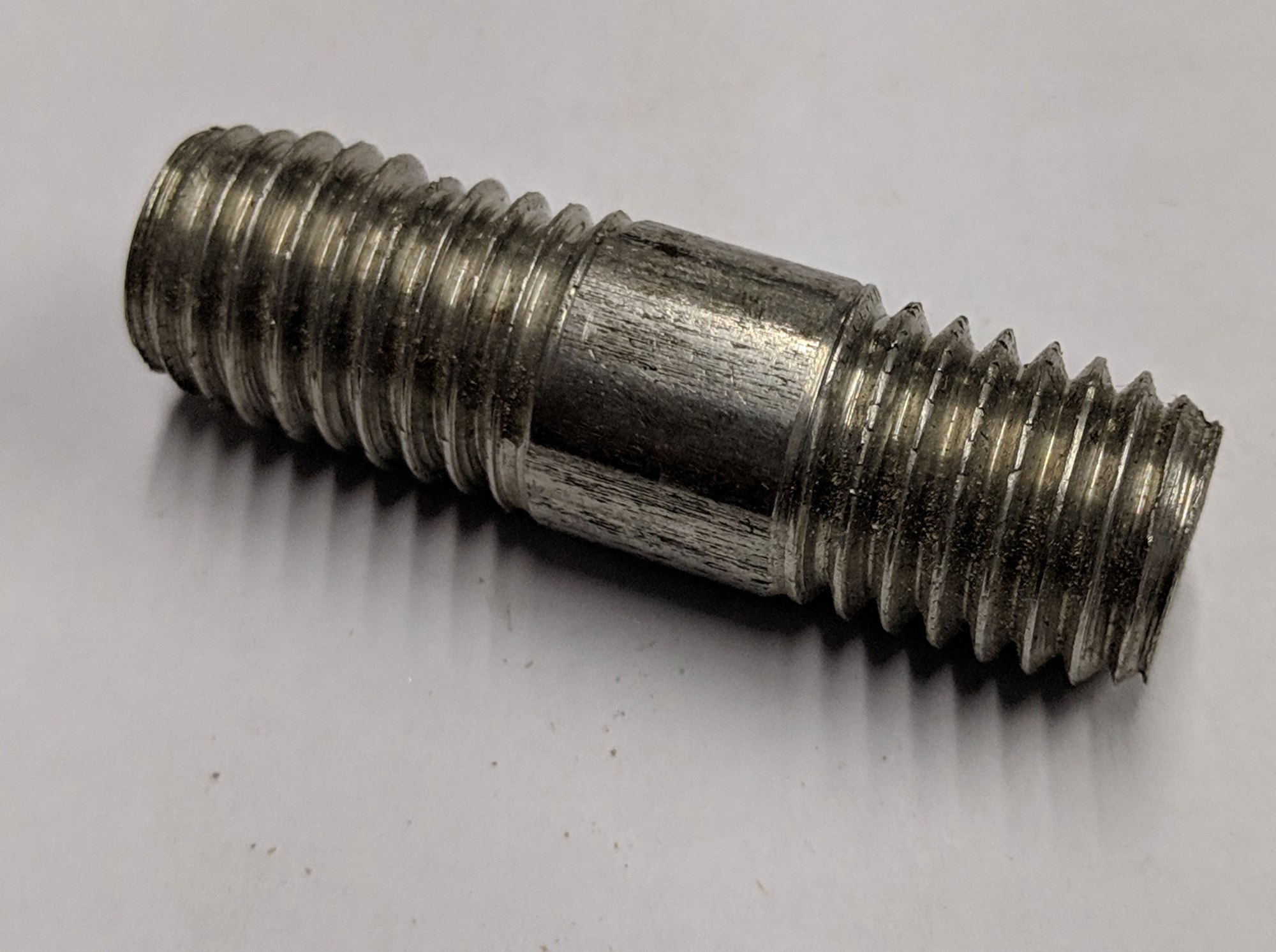
Cold-rolled thread geometry prevents micro-fissuring and galling under high-torque flange assembly.
High-Temperature Oxidation & Scaling Resistance
The high Chromium (25%) and Nickel (20%) synergy creates an impermeable chromia barrier that prevents spalling and wall thinning during extreme cyclic exposure up to 1150°C.
Superior Hot Corrosion & Sulfidation Resistance
Substantially outperforms Grades 304 and 316 in sulfurous flue gases, combustion chambers, and moderately carburizing atmospheres where common stainless steels suffer catastrophically.
High Creep-Rupture & Structural Stability
Engineered to maintain bolt tension and prevent joint relaxation in continuous high-pressure flange assemblies, eliminating flange leakage in industrial furnaces and boilers.
Precision Cold-Rolled Threads (Class 2A / 6g)
Threads are cold-rolled rather than cut, ensuring uninterrupted grain flow, higher fatigue life, smoother torque-tension conversion, and resistance to high-temperature thread seizure.
Critical Industrial Applications for SS 310 Studs
Trusted by petrochemical facilities, thermal power utilities, and furnace OEMs across the globe.
Furnaces, Kilns & Annealing Boxes
Fastening burner nozzles, hearth plates, muffle covers, and inspection portals subjected to continuous direct flame impingement and thermal cycling.
Petrochemical Fluidized Bed Units
Catalytic cracking regenerators, flare stack tip flanges, hydrocarbon pyrolyzers, and high-temperature sulfur recovery piping joints.
Power Boilers & Superheater Headers
Steam turbine casing bolts, sootblower flange connections, superheater tube sheet supports, and high-temperature thermal ducts.
Heat Exchangers & Recuperators
Thermal gas recuperator tube sheets, incinerator exhaust headers, and thermal oxidizer ducting exposed to aggressive flue gases.
Cement Kilns & Sintering Lines
Clinker cooler nose-ring bolting, tertiary air duct flange joints, and preheater cyclone anchors facing abrasive, high-heat conditions.
Cryogenic & Special Thermal Vessels
Retains high impact toughness and magnetic permeability down to -200°C while excelling in fluctuating thermal shock environments.
Stringent Multi-Stage Testing & Inspection
Every production heat is tracked and verified to ensure total reliability in critical thermal installations.
100% PMI Spectroscopy
Handheld XRF elemental analysis verifies 24-26% Cr and 19-22% Ni chemistry on raw bar stock before threading commences.
Tensile & Proof Load Test
Full-size tensile testing conducted per ASTM F606 to confirm yield strength, ultimate tensile capacity, and minimum 35% elongation.
Go/No-Go Gauge Inspection
Hardened thread ring gauges and optical comparators inspect pitch diameter, lead error, and chamfer angles to Class 2A / 6g limits.
EN 10204 3.1 Certification
Authentic Mill Test Reports accompany every dispatch, documenting heat numbers, mechanical values, and NACE compliance.
Request an Instant Technical Quotation
Submit your fastener bill of materials (BOQ), diameter, length, and quantities below. Our commercial sales engineering team provides formal pricing, availability, and MTC details within 2 to 4 business hours.
Frequently Asked Questions
Key engineering clarifications regarding Stainless Steel 310 stud bolt selection, metallurgy, and installation.
Explore Related SS 310 Fasteners & Forged Flanges
Manufactured and tested to the highest international quality benchmarks in Mumbai, India.